- The Hidden Health Risks of Social Media

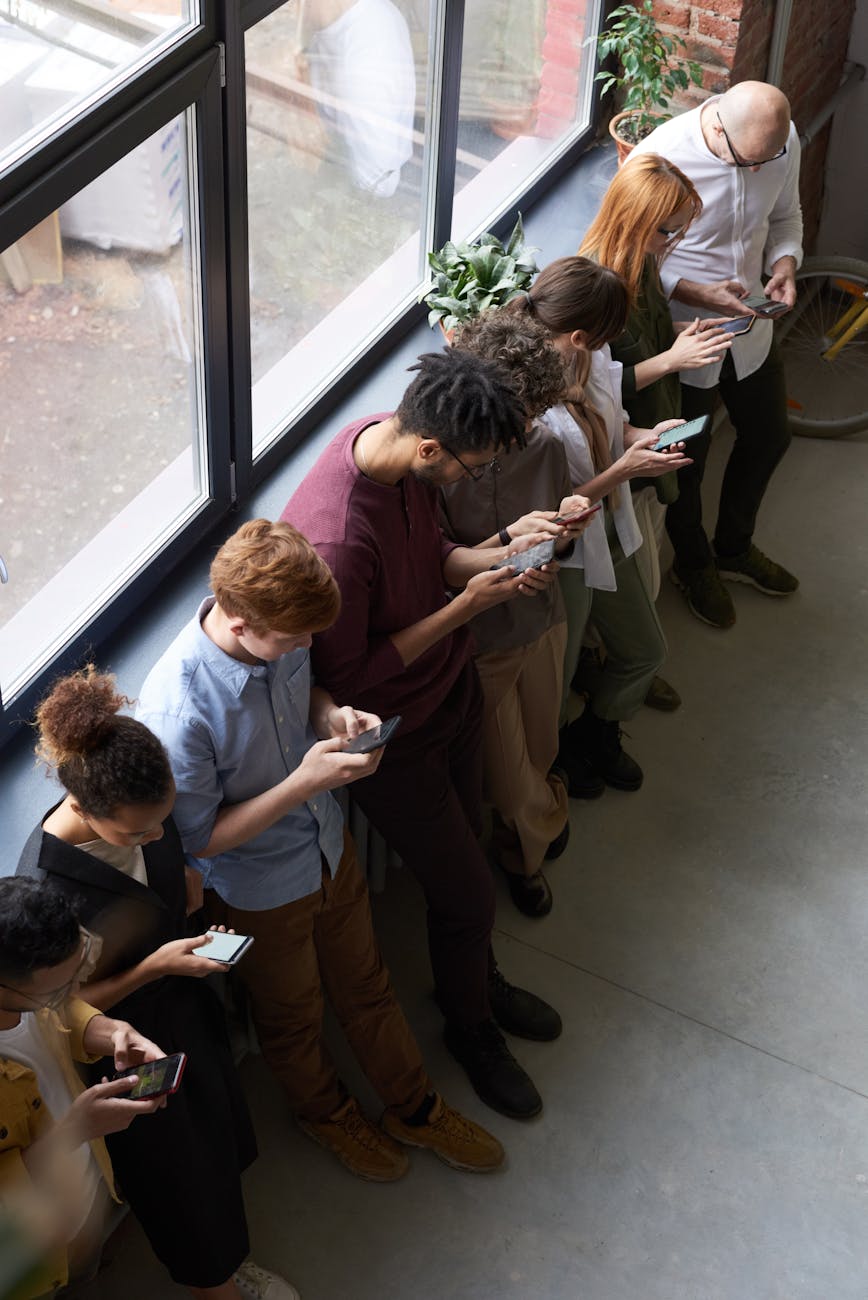
Photo by fauxels on Pexels.com Social media—it’s where we catch up with friends, discover the latest trends, and get our news. But lately, we’ve been hearing more and more about the negative effects it can have on our health. From affecting our mental health to messing with our hormones, it turns out our devices might be doing more harm than we think. If you’ve ever felt stressed, anxious, or drained after scrolling through your feed, you might be onto something. Here’s how social media is secretly messing with your health—and what you can do about it.
1. It’s Disrupting Your Hormones
We all know that stress is bad for us, but did you know that social media can trigger stress in ways you might not even realize? When we get stressed—whether it’s from scrolling through negative news, comparing ourselves to others, or dealing with cyberbullying—our bodies release stress hormones like cortisol and adrenaline.
Cortisol, often referred to as the “stress hormone,” helps us respond to immediate threats. But when our cortisol levels are elevated for prolonged periods—like when we’re constantly checking social media—it can lead to issues like weight gain, sleep problems, and even a weakened immune system.
Over time, chronic stress from social media can throw off your hormonal balance, affecting everything from your mood to your metabolism. It’s like your body’s on a never-ending rollercoaster ride of stress responses, and that’s not a fun place to be.
2. It’s Messing with Your Sleep
How often do you check your phone before bed? If the answer is “all the time,” you’re not alone. But that late-night scrolling could be the reason you’re struggling to get a good night’s sleep.
The blue light emitted by our devices interferes with the production of melatonin, the hormone that helps regulate sleep. When you’re exposed to blue light late at night, your brain gets the message that it’s still daytime, which confuses your sleep-wake cycle. As a result, falling asleep becomes harder, and the quality of your sleep may decrease.
But that’s not all—social media can also be mentally stimulating. If you’re scrolling through posts that are stressful or emotional, your brain stays active even after you put your phone down. This leads to poor sleep quality and, over time, could even contribute to insomnia.
3. It Increases Anxiety and Depression
Social media platforms are often a highlight reel of people’s lives—perfect vacations, flawless selfies, and highlight moments. While this can be entertaining and fun, it can also set up unrealistic expectations and comparisons. If you’re constantly comparing yourself to others online, it can lead to feelings of inadequacy, anxiety, or even depression.
Research has shown that excessive social media use can contribute to feelings of loneliness and isolation, even if you’re interacting with others online. It turns out that no amount of likes or comments can replace real, face-to-face connections. And when those feelings of loneliness pile up, they can impact your mental health.
Social media also exposes us to a lot of negativity. Whether it’s heated political debates or personal attacks, constantly being exposed to distressing content can raise cortisol levels and exacerbate symptoms of anxiety and depression.
4. It Can Cause “Tech Neck” and Other Physical Problems
It’s not just your hormones and brain that take a hit from social media use—your body does, too. Have you ever noticed that your neck hurts after hours of scrolling or texting? That’s because looking down at your phone for long periods puts strain on your neck and spine. This can lead to a condition called “tech neck,” which can cause pain and stiffness in the neck, shoulders, and upper back.
Additionally, prolonged screen time can lead to eye strain, headaches, and even dry eyes. These physical symptoms might not seem like a big deal, but over time, they can contribute to long-term pain and discomfort.
5. It’s Throwing Off Your Gut Health
This one might sound surprising, but it’s true—social media can even mess with your gut health. A recent study found that people who spent more time on social media were more likely to report gastrointestinal issues like bloating and indigestion.
How does this happen? Well, stress plays a big role in gut health. When you’re stressed out from scrolling through social media, your body produces more cortisol, which can throw off the balance of gut bacteria. This can lead to digestive issues, inflammation, and even an increased risk of conditions like irritable bowel syndrome (IBS).
6. It’s Fueling FOMO (Fear of Missing Out)
You know the feeling: scrolling through Instagram and seeing everyone hanging out, going to parties, or traveling to exotic locations while you’re sitting at home. It’s a classic case of FOMO—fear of missing out. But did you know that FOMO can actually affect your mental and physical health?
FOMO increases stress and anxiety, as it makes you feel like you’re missing out on experiences that others are having. This constant comparison can lead to feelings of loneliness, dissatisfaction, and even low self-esteem. It can also affect your sleep, as you stay up late wondering what everyone else is doing.
7. It Can Lead to “Instagram Face” and Body Dysmorphia
We all know that social media is full of edited, filtered photos, and exaggerated poses. But did you know that this constant exposure to “perfect” images can mess with your self-image?
Social media can contribute to body dysmorphia, a mental health condition where individuals become obsessed with perceived flaws in their appearance. Constantly comparing yourself to the flawless images you see online can make you feel like you’re not measuring up, which can lead to anxiety, depression, and even eating disorders.
Similarly, the rise of facial filters on platforms like Snapchat and Instagram has given rise to a phenomenon called “Instagram Face,” where people strive for unrealistic beauty standards by altering their appearance through filters. This desire for perfection can lead to dissatisfaction with one’s natural appearance and, in extreme cases, may even result in a desire for cosmetic surgery.
8. It Increases Impulse Eating and Poor Dietary Choices
Social media doesn’t just affect your mental and physical health—it can also influence your eating habits. With ads for fast food, snack companies, and tempting food influencers popping up on your feed, it’s easy to be influenced into making poor dietary choices.
Research shows that constant exposure to food-related content on social media can increase cravings and lead to unhealthy eating habits. Whether it’s seeing mouthwatering images of pizza or watching influencers indulge in sugary treats, social media can subconsciously encourage you to eat more than you need—or crave foods that aren’t great for your body.
While social media can be fun and useful, it’s clear that it can also have some negative impacts on our health, from messing with our hormones to increasing stress and anxiety. The good news? You have the power to take control.
Start by setting boundaries with your phone, curating your feed, and being mindful of how social media makes you feel. Consider taking breaks from social media or even doing a full digital detox every now and then. Most importantly, remember that real life—your health, your relationships, and your well-being—happens offline.
References
- Fuchs, C. (2017). The internet and society. Routledge.
- Kuss, D. J., & Griffiths, M. D. (2017). Social networking sites and addiction: Ten lessons learned. International Journal of Environmental Research and Public Health, 14(3), 311.
- Przybylski, A. K., & Weinstein, N. (2013). Can you connect with me now? How the presence of mobile communication technology influences face-to-face conversation quality. Journal of Social and Personal Relationships, 30(6), 419-436.
- Pantic, I. (2014). Online social networking and mental health. Cyberpsychology, Behavior, and Social Networking, 17(10), 652-657.
- American Psychological Association. (2017). Technology and social media use in adolescents.
Latest Posts
- The Hidden Health Risks of Social Media

- 7 Effective Strategies to Manage Social Media Overload

- The Top 4 Things Therapy Taught Me to Live a Happier Life

- Feeling Alone vs. Being Lonely: 4 Ways to Tell the Difference

- How to Get Over Your Fear of Public Speaking

- The Social Connection: How Being Social Helps You Age Better

- How to Overcome the Stress of Anxiety: A Science-Backed Guide

- The Science-Backed Blueprint for Aging

- How I Used Science To Help Me Fight My Depressive Thoughts

- 4 Ways I Found Balance with Social Media

- Dismantling Our Racist Thinking: A Guide to Unlearning Bias

- Four Time Management Hacks To Feel Less Stressed

- Why we are overwhelmed in the modern world and how to fix it

- Why Crying Is Actually Good For You